
Snake in the Grass: “Moderate” Spanberger Reveals True Colors to Virginians
Spanberger’s fingerprints are all over these three amendments.

Nearly one year ago, former US Representative Abigail Spanberger (VA-07) won Virginia’s gubernatorial election over then-Lieutenant Governor Winsome Earl-Sears by campaigning as the “moderate” alternative to President Trump’s Republican Party and the legacy left by former Governor Glenn Youngkin’s administration. By playing on vulnerable Virginians’ concerns about the cost of living and safety, Spanberger’s campaign lulled the state into a false sense of security. Looking for a quick switch to solve problems that were cast upon Youngkin, Trump, and the Republican Party, Virginians unknowingly allowed a snake to slither through the grass of the Capitol Square right through the front door of the Executive Mansion.
On July 24, 2025, I published commentary for Americans for Tax Reform warning Virginians about Spanberger’s pseudo-centrist campaign and the impending radicalism that would ensue if she were elected. At the time, I focused squarely on her potential to assault right-to-work legislation in Virginia, missing just how deeply Spanberger would seek to change the Commonwealth’s politics, economy, and culture. In less than a calendar year in office, Spanberger has proven this thesis. From sweeping legislative proposals to ballot initiatives coming this November, Spanberger has fundamentally presented a new, and certainly not centrist, vision for the Old Dominion.
Her gubernatorial victory helped to usher in a Democratic majority in the Virginia General Assembly. Wasting no time, Spanberger’s eager, left-wing colleagues in the legislature proposed radical tax hikes that would have completely changed Virginia’s economy. One group of bills would have raised the sales tax on a range of common services, including, but not limited to, gym memberships, dog walking, dry cleaning, and storage facility use. HB1179/SB638 would have increased taxes on transportation companies such as Uber or Lyft and raised taxes on retail deliveries from companies like DoorDash and Uber Eats. HB378 would have imposed a 3.8% investment income tax on individuals, trusts, and estates, targeting high-income Virginians who are trying to build generational wealth for their families.
Continue reading original articleRelated Articles
-

- State & Local Issues
Has Columbia Broken its Promises to West Harlem?
- Columbia University
November 9, 2026 -
- Science & Technology
- |
- State & Local Issues
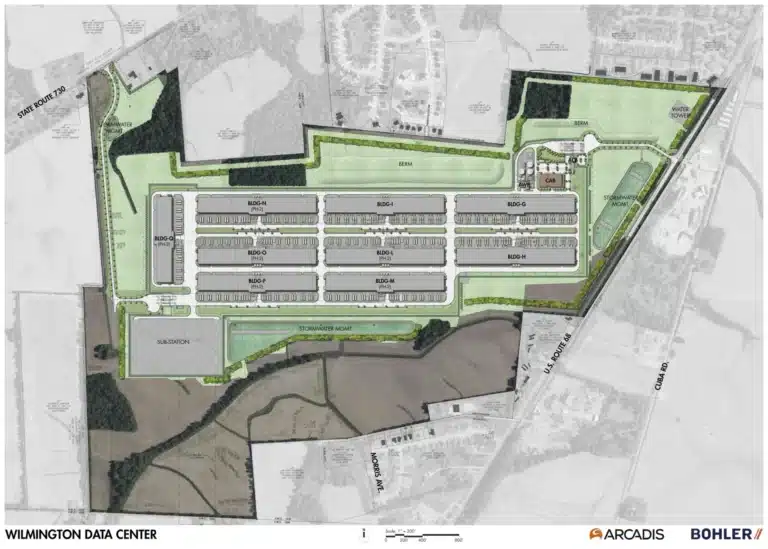
Ohio Judge Approves Skipping Waiting Period for Wilmington Data Center
- John Adams College
November 4, 2026 -

- State & Local Issues
Albemarle County Proposed Sales Tax Hike Is Yet Another Bloated Bureaucratic Blunder
- University of Virginia
November 4, 2026