
Has Columbia Broken its Promises to West Harlem?
10 years after its opening, the Manhattanville campus has left locals with more questions than answers.
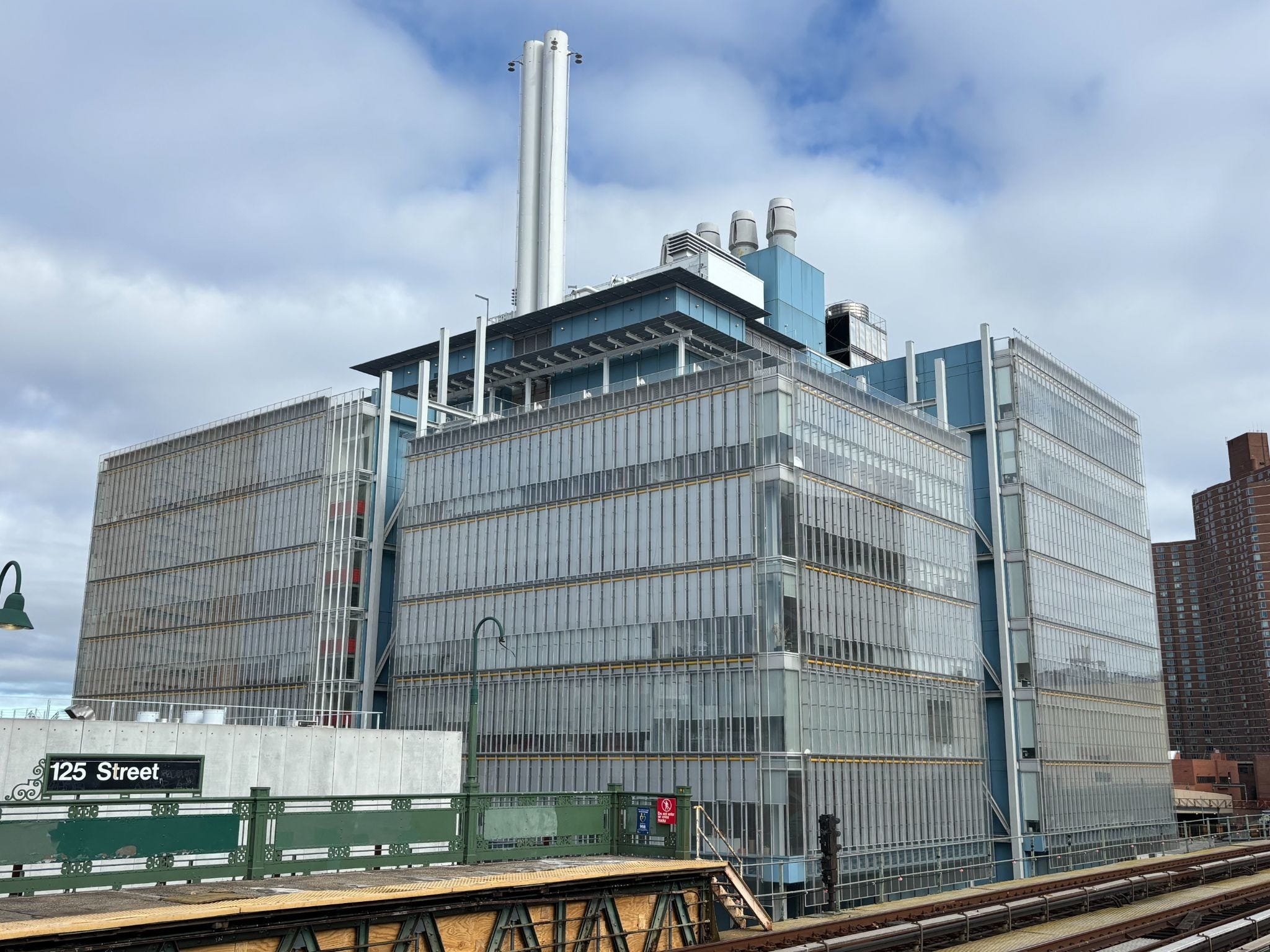
It’s October 2016, and Columbia President Lee Bollinger and the Trustees find themselves in a foreign, distant land: the area north of 125th Street. Construction has neared completion for the first two of seven buildings in what would become Columbia’s modernist Manhattanville campus. Speaking at its dedication ceremony, Bollinger paraded Manhattanville as the culmination of Columbia’s century-long envelopment of Upper Manhattan, deeming it the “spiritual plank” that binds the school’s other campuses in Washington Heights and Inwood “into one seaworthy vessel.” Left in this vessel’s wake, however, is a series of unanswered questions and betrayed expectations from Columbia’s new neighbors.
Building the 17-acre campus involved demolishing five apartment buildings housing up to 140 low-income households; one such building was designated to house formerly homeless families and had just undergone a taxpayer-funded renovation. It would also involve the relocation of small businesses staffing an estimated 1,200 employees. Of course, this didn’t stop Bollinger from deeming the Manhattanville campus “the best thing that could happen” to Upper Manhattan. Yet to convince actual Upper Manhattan residents and officials of this, in 2009, Columbia signed a widely anticipated Community Benefits Agreement with the group that would become the West Harlem Development Corporation (WHDC).
Among other items, the agreement pledged $76 million “to fund community benefits for the West Harlem community,” $20 million for affordable housing, and $4 million in housing legal assistance for local residents. In return, the community would agree not to litigate or bring a lawsuit against the campus expansion. However, the WHDC would also not have the right to “litigate, mediate, arbitrate, or otherwise enforce” any of the promises Columbia actually mentioned in the agreement.
Continue reading original articleRelated Articles
-
- State & Local Issues
Snake in the Grass: “Moderate” Spanberger Reveals True Colors to Virginians
- University of Virginia
November 4, 2026 -
- Science & Technology
- |
- State & Local Issues
Ohio Judge Approves Skipping Waiting Period for Wilmington Data Center
- John Adams College
November 4, 2026 -
- State & Local Issues
Albemarle County Proposed Sales Tax Hike Is Yet Another Bloated Bureaucratic Blunder
- University of Virginia
November 4, 2026