Due Process Binds the Courts, Not Our Conscience
I was drawn by the title and even more so by the article that followed.
One’s immediate, knee-jerk reaction to Emily Hanna’s op-ed article regarding the “Cornell Seven” in The Cavalier Daily might be one of disgust, shock, or disappointment. Mine was intrigue.
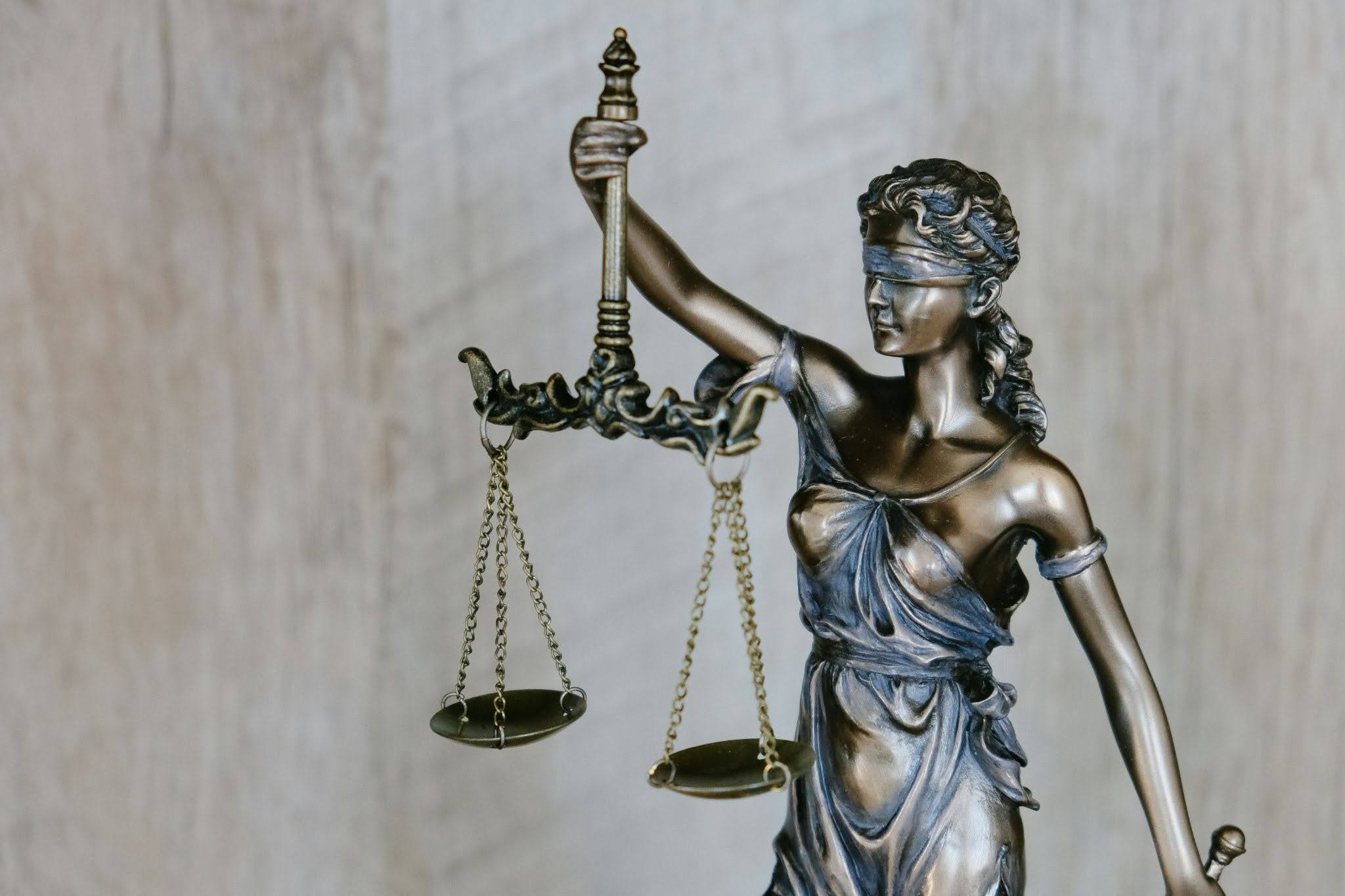
I was drawn by the title and even more so by the article that followed. I appreciated that she took the initiative to write about a polarizing current event and did so with fortitude. However, I find myself disagreeing with her argument. Hanna treats the presumption of innocence as a standard that should govern how the public talks about the accused, but due process limits what the government may do to a person; it does not limit what citizens may think or say about them. Mixing the two asks the public to hand its moral judgment to a legal system many have little reason to trust.
Hanna writes: “Taking Jane Doe’s allegations seriously does not mean that we must treat the accused as guilty, especially before the investigators have fully examined the evidence. We cannot claim to value due process if we cannot extend that same principle to a case that provokes public outrage.” She anticipates the objection that the presumption of innocence belongs only in a courtroom, answering that “innocent until proven guilty” is foundational to the rule of law, and that public accusations can harm reputations in ways that last even after new evidence emerges.
Continue reading original article