
Professor Hitchcock Uncovers America’s Anti-Fascist Past
This fascist sect of the American populace would never truly enter mainstream US politics.
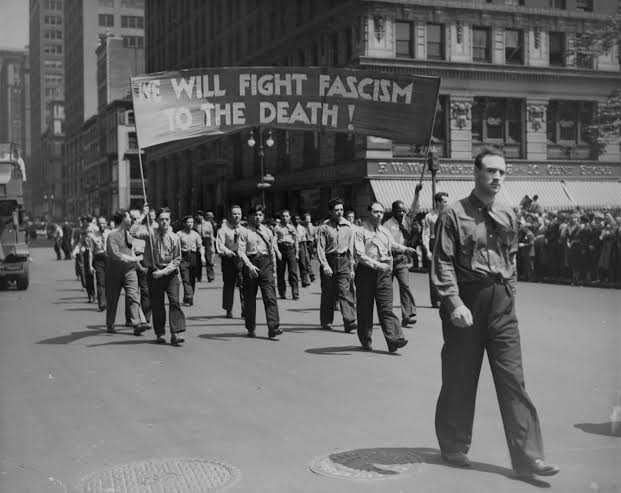
One of the most infamous images taken from 1930s America depicts a Nazi rally being held in Madison Square Garden in “celebration” of George Washington’s birthday. This fascist sect of the American populace would never truly enter mainstream US politics, as the country would soon find itself fighting on the side of the Allies during World War II. However, much has been made of America’s flirtatious relationship with fascism during the interwar period. While it is undeniable that there was a wave of fascist sympathy during this time, the story is far more complicated than many believe.
For UVA’s James Madison Professor of History, William Hitchcock, the story of fascism in America cannot be told without chronicling the rise of its antithesis: anti-fascism. On Friday, Oct. 23, Hitchcock presented this year’s Cross Lecture on his new book, A Shadow Over the World: Franklin D. Roosevelt, the Rise of Fascism, and the Making of America’s World War II. This newest addition to Professor Hitchcock’s body of work tells the often overlooked story of how America’s varying anti-fascist groups that arose during the 1930s were consolidated into one grand coalition under Franklin Delano Roosevelt.
In setting the scene for fascism in America, Hitchcock presented a detail-laden slide attempting to attribute a range of traits affiliated with “fascism.” Among a long list of characteristics, Hitchcock listed an emphasis on a glorious history, an enemy within, propaganda, the glorification of the cult leader, the anti-democratic state, paramilitary forces at home, suppression of dissent, hierarchy, discipline, and the restoration of the old order. While this list gave the audience a way to potentially identify fascism, the lack of a clear and concise definition demonstrates why fascism is often difficult to recognize at first. Furthermore, many of these traits are not unique to fascism. This is precisely what makes the extremist ideology so elusive—and dangerous.
Continue reading original articleRelated Articles
-

-
-

- Politics
Left-Wing Thinkers Say Their Party Has Lost the Working Class
- University of Notre Dame
November 4, 2026