
Trump’s Ukraine Policy Is Succeeding While His Iran Policy Flails
As Trump struggles to find an exit strategy from his Middle Eastern war of choice, his administration’s policy toward Ukraine looks like everything his Iran policy is not.
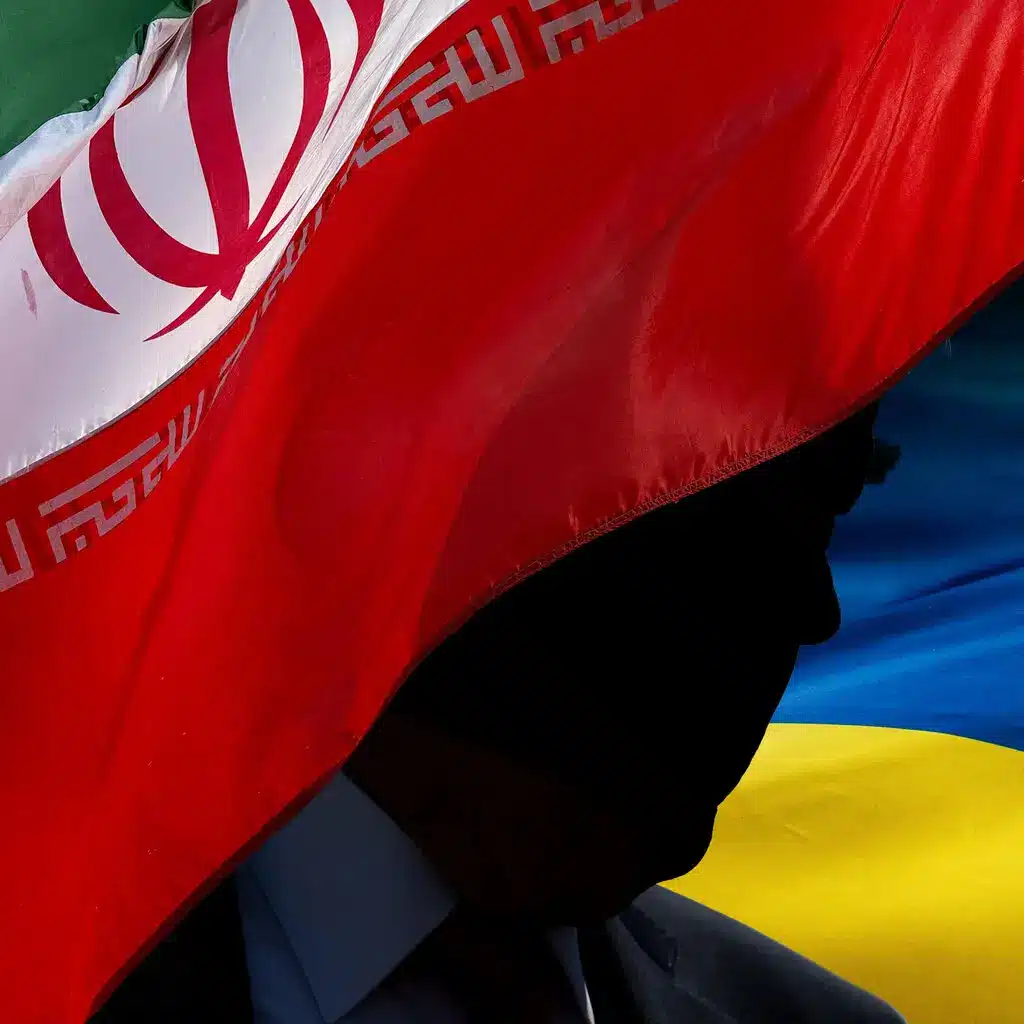
One of the many ironies of Donald Trump’s war against Iran is that only a year ago, most of the president’s critics assumed that any second-term crisis for the American empire would be caused not by reckless war-making, but by appeasement and retreat. In particular, the Trumpian push for peace between Russia and Ukraine was cast as the great betrayal, craven and sinister in equal measure, that would yield disaster for Europe and disgrace for the United States.
Yet today, as Trump struggles to find an exit strategy from his Middle Eastern war of choice, his administration’s policy toward Ukraine looks like everything his Iran policy is not: an effective rebalancing for a multipolar world, in which a major rival has been contained and weakened with a reduced American commitment, and our regional allies have actually substituted for our overstretched capacities rather than trying to force us to stretch too far on their behalf.
A lot of Ukraine’s champions would recoil from that description. To the contrary, they would say, our Ukraine policy has been a betrayal, with unjust pressure on Kyiv to make a deal and an unfair retraction of American support. It’s just that Ukrainian heroism and European support have filled the breach, proving along the way that Trump and others were wrong to treat the war effort as foredoomed.
Continue reading original articleRelated Articles
-
- Campus Life
- |
- Opinion
- |
- Religion
Should Christians Dance?
- University of Notre Dame
November 19, 2026 -

- Free Speech
- |
- Politics
“Diversity” for Conservatives? Steven Crowder Debates Prof. Randall Kennedy
- Harvard University
November 19, 2026 -
- Politics
The IOP’s “Informed Citizenry” Panel: A Confused Blueprint for Progressive Media Control
- Harvard University
November 19, 2026