
Why Is Charlottesville Traffic so Terrible?
On Grounds, the longest distance students are able to travel using the bus system is between Barracks Road and Hereford Residential College.
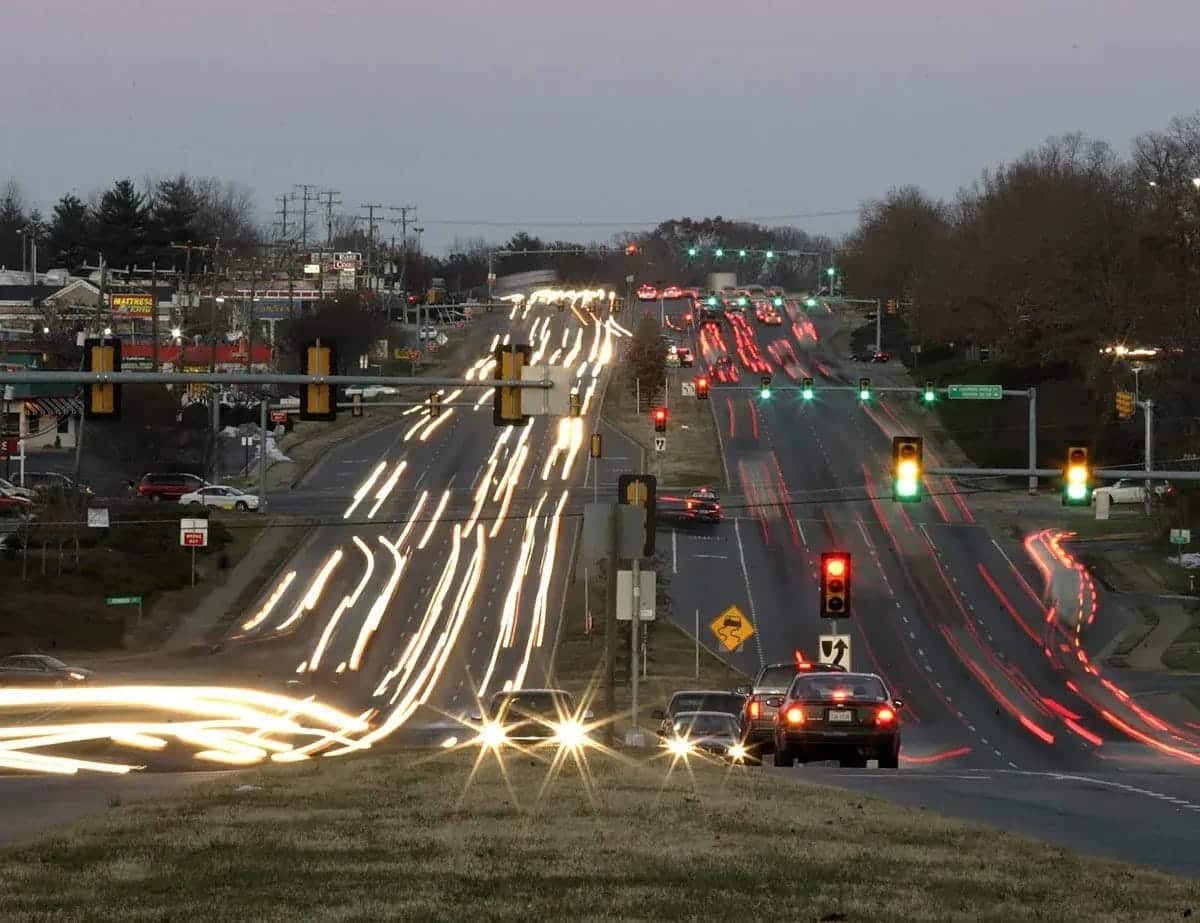
For many UVA students, the school’s bus system is essential. On Grounds, the longest distance students are able to travel using the bus system is between Barracks Road and Hereford Residential College. Zooming out to the broader picture of traffic in Charlottesville reveals another issue faced by most residents: highway traffic flow. This raises a question locals and UVA students alike ask: “Why is Charlottesville traffic so terrible?”
This question is not new. Extensive documentation details the dissatisfaction amongst Charlottesville residents when it comes to the traffic flowing through the city’s major highways. According to the most recent National Citizen Survey conducted in Charlottesville, only 29% of residents rate the ease of traffic flow on city highways positively. City Council members began planning the Western Bypass in 1979, and the Virginia Department of Transportation (“VDOT”) spent over two decades scoping and planning the project, but progress slowed due to opposition from local environmental groups and a lack of resident support.
Fierce opposition to the bypass came primarily from environmental organizations such as the Southern Environment Law Center (“SELC”), which recognized that the bypass would run close to six local schools and could pose potential ecological disasters for Charlottesville’s wildlife and flora. The SELC argued that implementing a two-decade-old proposal would not address traffic concerns in Charlottesville and could instead create environmental risk with little marginal benefit for residents.
Continue reading original articleRelated Articles
-
- Campus Life
- |
- Culture
Two Columbia Students Argued Jane Doe May Have Exercised ‘Sexual Freedom.’ The Campus Revolted.
- Pirate Wires
October 29, 2026 -

- Politics
- |
- State & Local Issues
Abdul El-Sayed Beat the Establishment. Can He Win November?
- University of Michigan
October 29, 2026 -

- Campus Life
Associate Director of Gender Studies Secretly Books Rooms for Condom, Plan B Distribution
- University of Notre Dame
October 26, 2026