
Barnard’s Debt Problem Is Worse Than You Think
Whether one believes cuts are justified, there is a tumultuous road ahead.
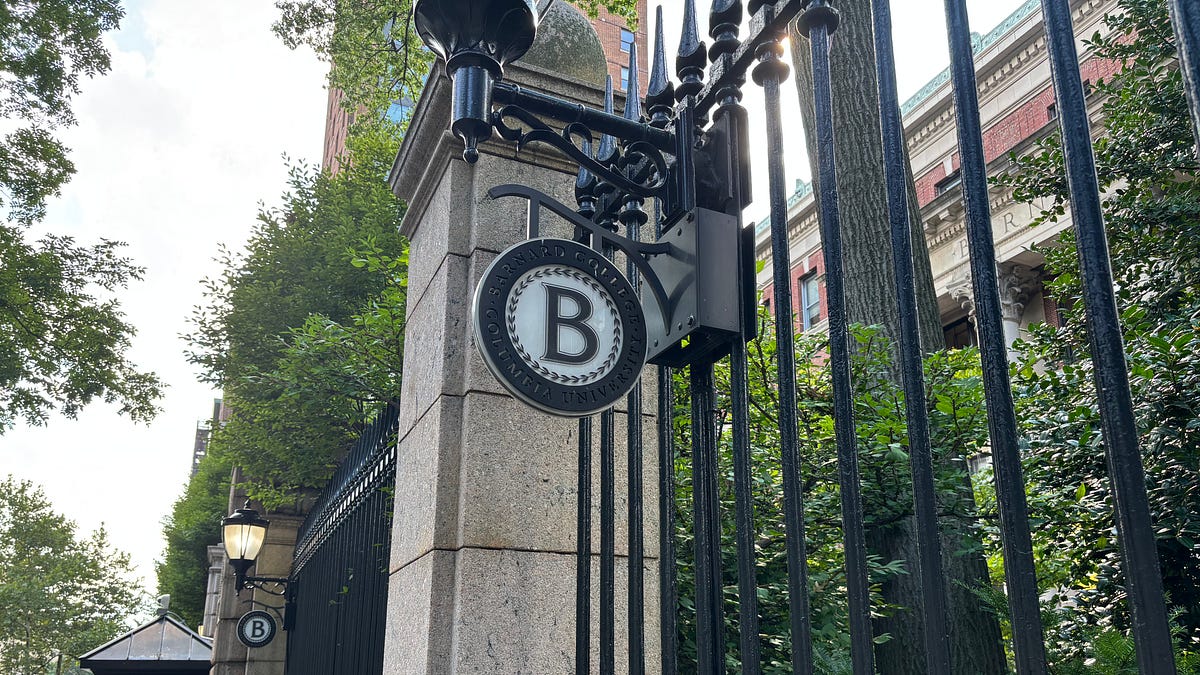
Across the country, higher education institutions are facing a mounting crisis. 16 institutions fully shut down in 2025; two-thirds of all colleges faced either consistent financial losses, enrollment declines, or decreasing government funding and endowment values between 2014 and 2023. These are recent figures, but they come after years of hardship. During moments of financial strain, the educational models and nontraditional learning opportunities central to these institutions are placed at severe risk. Responding to new financial needs has left many universities more beholden to donors and governments, prioritizing efficiency over the exploratory learning and academic curiosity liberal arts colleges are intended to protect, universities responding to financial concerns and considering future developments have repeatedly failed to prioritize the educational values and institutional independence that define their purpose. The pattern is consistent: financial pressure becomes the justification for narrowing the pool of who gets to decide.
Thanks for reading the Columbia Sundial! Subscribe for free to support independent campus journalism and commentary.
This crisis has several roots. Beginning with the high school class of 2026, a noticeable decline in birth rates after 2008 is expected to contribute to reduced applications for incoming freshman classes, disproportionately affecting small-enrollment schools. Additionally, many families are prioritizing pre-professional education: fields of study with a direct path to employment. The Education Department recently selected professional students in 11 fields, including dentistry, law, and theology, who can borrow $50,000 annually, limiting others to an annual cap of $20,500. At the undergraduate level, several small liberal arts colleges have been forced to merge, cut staff, or end low-enrollment programs. Wealthier institutions face less drastic and immediate concerns, especially with regard to declining enrollment. Still, rising costs, new expansion projects, and recent irregularities with government funding, among other factors, have produced temptation toward unilateral administrative decisions that prioritize cost efficiency over institutional values.
Continue reading original articleRelated Articles
-

- Higher Ed
- |
- Science & Technology
The Future of AI in Higher Education
- Dartmouth College
October 22, 2026 -
- Federal
- |
- Higher Ed
Updated: Former Stanford Hoover Fellow Runs Surrogacy Firm Helping Chinese Elites Have U.S.-Citizen Children
- Stanford University
October 20, 2026 -

- Free Speech
- |
- Higher Ed
Penn’s Free Speech Fight: Proposed revisions raise concerns over transparency and administrative control
- University of Pennsylvania
October 19, 2026