Brazil’s Election Numbers Don’t Make Sense
This is the first time in Brazilian history that a candidate finished second in the first round and won the election.
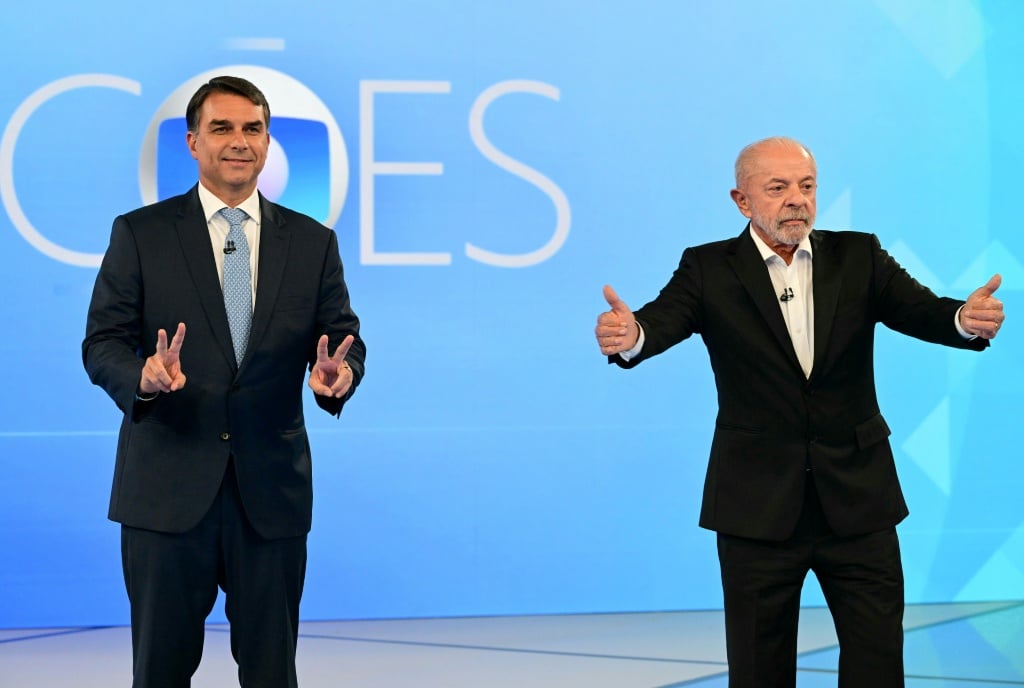
On Sunday, left-wing Brazilian president Luiz Inácio Lula da Silva, or “Lula,” candidate of left-wing Partido dos Trabalhadores (PT), shocked analysts and prediction markets across the world by winning his reelection bid over challenger Flávio Bolsonaro, son of former president Jair Bolsonaro, candidate of right-wing Partido Liberal (PL). This is the first time in Brazilian history that a candidate finished second in the first round and won the election. With Bolsonaro’s over 2.2 million vote lead against Lula in the election’s first round, prediction markets giving Bolsonaro an 83% chance of beating Lula, and even left-wing pollsters predicting Bolsonaro would win 51% of the votes as late as Saturday, Lula’s Sunday victory seems outwardly far-fetched and, through some lenses, legally dubious.
On Sunday at 5:03pm, three minutes after polls officially closed, Supreme Court Justice Cristiano Zanin, Lula’s former personal attorney, overstepped the Superior Electoral Court (TSE) and unilaterally ordered that polls that hadn’t closed by that point should remain open until 7pm. Crucially, many places where Flavio had led by high single digits in the first round were already sealing voting records or transporting them, and were not allowed to benefit from the time extension. Additionally, the national voter movements from the first round to the second raise serious suspicion.
In the first round, Bolsonaro outperformed Lula 47% to 45%, with Lula’s vote share 3 points lower than in the 2022 first round, with his vote share declining in all but two states and the Federal District. Over the following 21 days, every state in the country swung left radically. Right-wing strongholds like Rio Grande do Sul and Parana saw Lula gain 6 points, while Bolsonaro struggled to climb 3. Even in Bolsonaro’s home state of Rio de Janeiro, Lula gained 7.5 points while Bolsonaro climbed just over 0.1 point.
Continue reading original articleRelated Articles
-
-
- Abroad
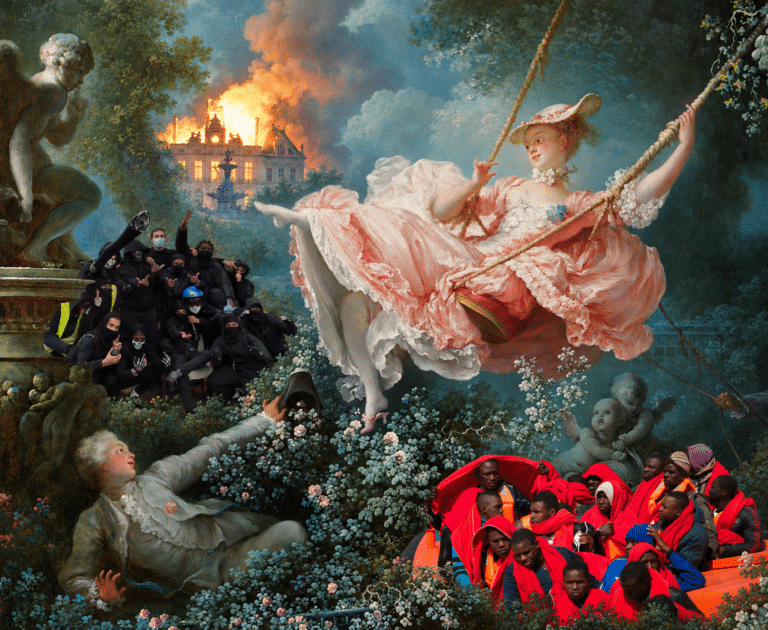
The Barbarians Are Already Inside — France, Iconoclasm, and Islam
- University of California – Berkeley
October 28, 2026 -