Flock Cameras Are Everywhere: What Makes Them So Dangerous?
You’ll notice that much of the rationale traces its roots back to the Patriot Act—these cameras are presented as a public service […].
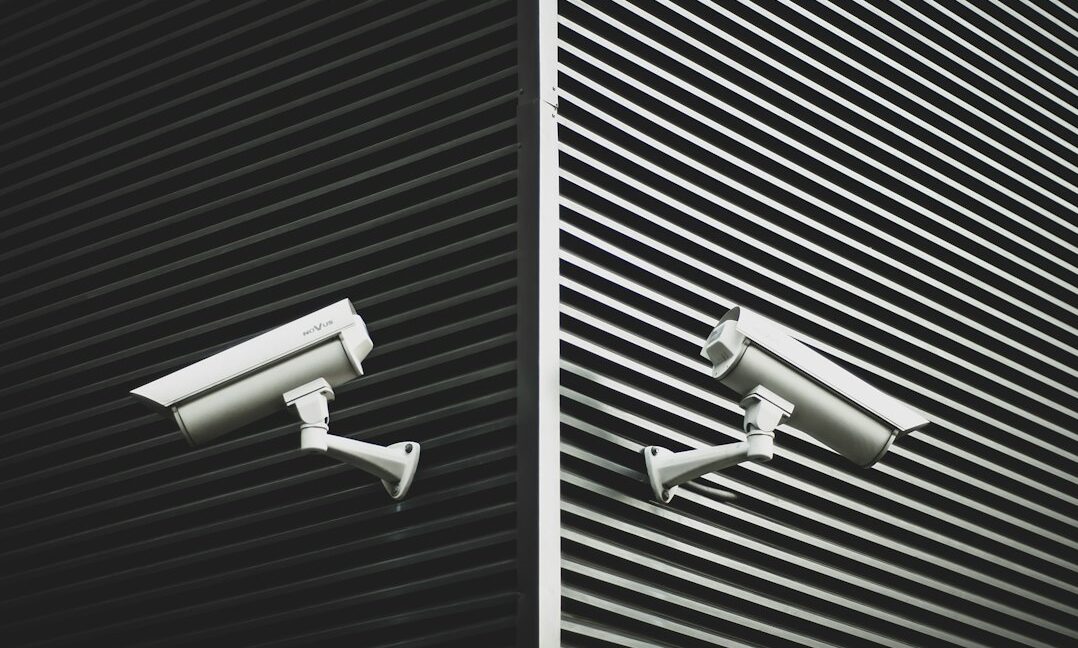
Soon enough, a Flock camera will be on top of your neighbor’s house, looking into your yard, watching your family, your dog, your friends. Oh, wait, you totally think I’m talking about a new home surveillance device. Nope. Some type of ring doorbell? Not quite. Traffic cameras? Closer! It’s an all-inclusive device which can identify your car’s make, model, color, license plate, bumper stickers, direction, and destination! Does that not sound like the next great American innovation?
To me, it sounds equal parts concerning, invasive, and violating. But of course that’s an irrational thought because it’s a perfectly simple way for police officers to catch criminals, and who wouldn’t want to support that? Oh, and do everyone a favor and ignore the fact that it utilizes artificial intelligence and is owned by private companies. Sounds good?
Truthfully, I see a lot of parallels to the Patriot Act of 2001, which expanded the government’s surveillance, law enforcement, and intelligence-gathering capabilities after the September 11 terrorist attacks. The act showed American citizens that the federal government was willing to potentially invade the privacy of some to achieve national safety goals. Many cited fourth amendment violations in its wake. In the years since the Patriot Act, a new type of surveillance company has emerged: Flock Safety. This company is placing cameras that can identify everything about each car that passes in front of their lenses within seconds. In turn, they can supply the footage to local law enforcement to assist with important investigations, as well as any other entity who wishes to use and abuse this tracking information. This is all done without the consent of the drivers, as IPVM notes.
Continue reading original articleRelated Articles
-
- Economics
- |
- Science & Technology
AI is not the first technology to threaten jobs
- John Adams College
October 14, 2026 -

-