How George Washington’s Farewell Address Fulfilled the Declaration of Independence
Washington considered it his duty to teach his countrymen how to preserve their republic and live up to its promise.
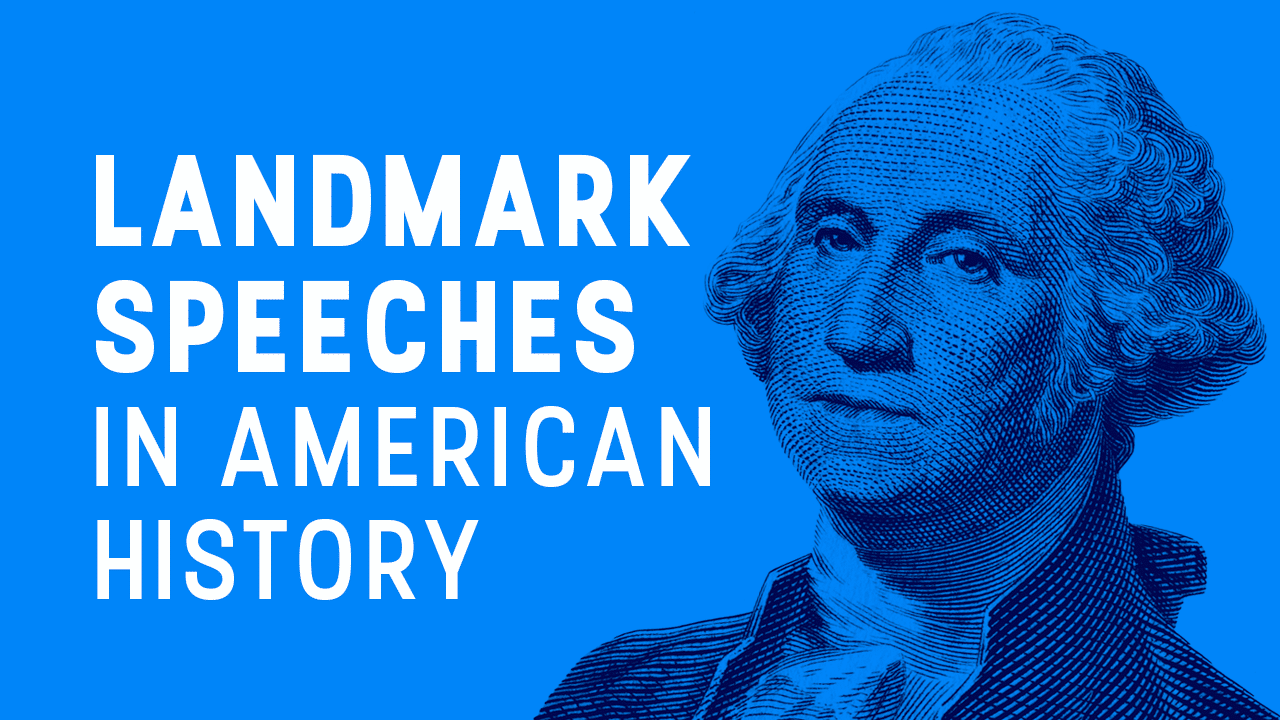
George Washington’s Farewell Address is, in effect, the culmination and fulfillment of the Declaration of Independence.
Washington had been commander in chief of the Continental Army on July 4, 1776, when Congress declared the grounds for American independence. He was commander in chief again when he circulated his Farewell Address in the autumn of 1796—but he was more than that, too. He was the president of a new republic born under arms yet now living free under a constitution citizens had made for themselves.
The declaration had risked all—“our lives, our fortunes and our sacred honor,” as the document says—on the wager that Americans could not only win their freedom but also keep and use it wisely. To do that required a new form of government led by a statesman of superlative virtue. The United States had such a man in Washington.
Continue reading original articleRelated Articles
-
-

- Politics
- |
- Science & Technology
When Climate Policy Meets Political Reality
- Dartmouth College
May 27, 2026 -