
Is Grade Inflation a Problem?
W&L and universities nationwide question if and how to handle rising expectations and results. At Washington and Lee University, a grade point average (GPA) that once placed a student comfortably in the middle of their class would now fall well below average. If a student graduated from W&L in 2005, they needed a GPA above 3.325 to be in the top half of their class. By 2025, that number climbed to 3.715. The causes of this shift, and whether it is a problem, are disputed. The trend mirrors a national pattern of rising grades. Much of this shift occurred during the years impacted by COVID-19 policies. In 2019, the top third of the W&L graduating class had a GPA of 3.622 or higher. By 2023, that number rose to 3.815. At the end of the 2020 winter semester, students could choose to receive a regular letter grade or simply a pass/fail designation. Due to the extraordinary circumstances of a mid-semester lockdown, “it was a time where students were given a lot of leeway in general,” according to Economics Department Chair Linda Hooks. Grade optionality did not extend beyond that one semester.
Is Grade Inflation a Problem?
W&L and universities nationwide question if and how to handle rising expectations and results.
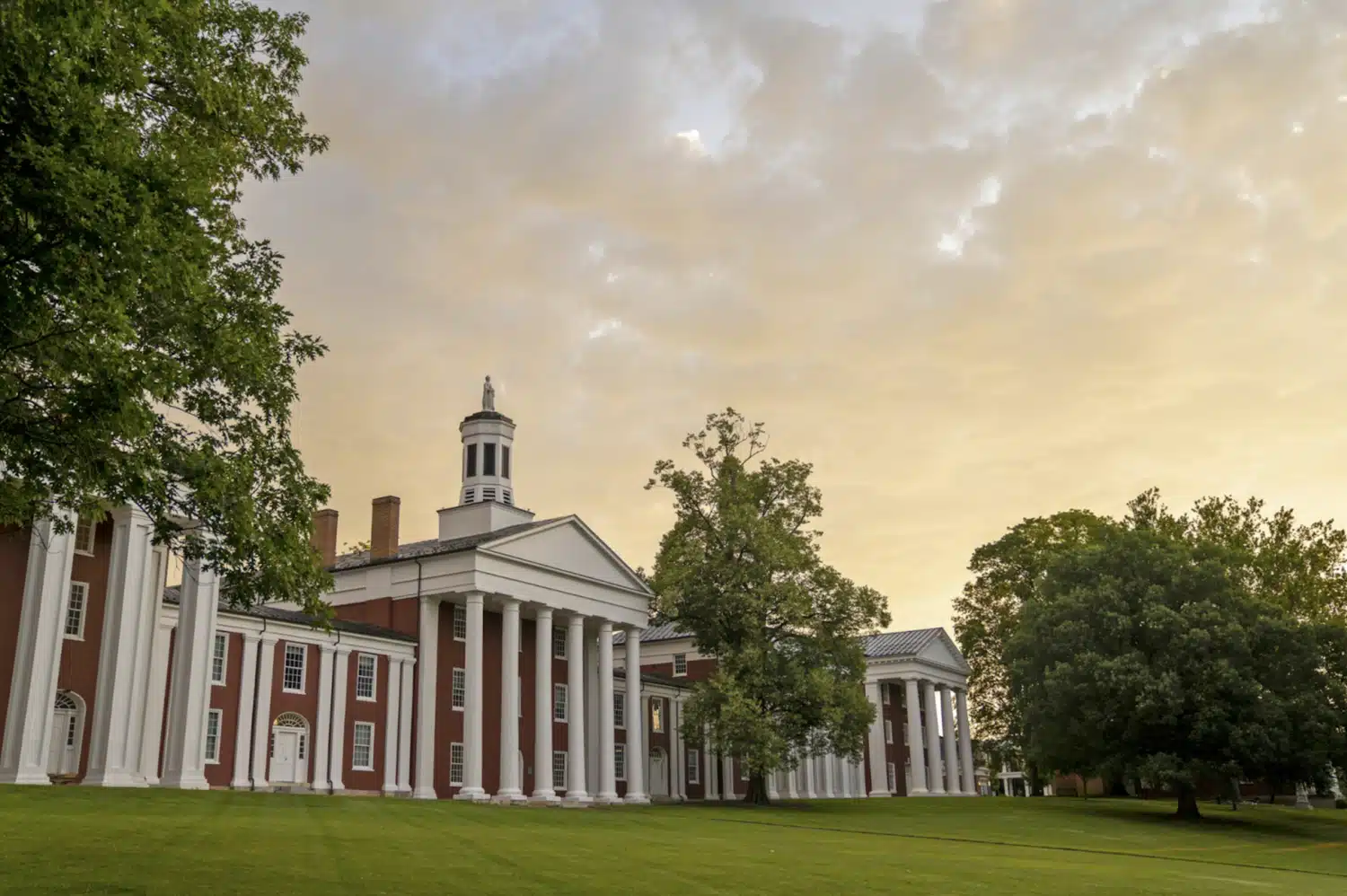
(The W&L Colonnade. | SOURCE: The Columns)
Continue reading original articleRelated Articles
-
- Campus Life
Notre Dame Implements Optional Pornography Filter
- University of Notre Dame
April 15, 2026 -

- Campus Life
- |
- Politics
Angela Davis Entertained Tyrants and Border Guards Before Pitzer’s Class of 2026
- Claremont McKenna College
April 7, 2026 -
- Campus Life
- |
- Higher Education
- |
- State & Local Issues
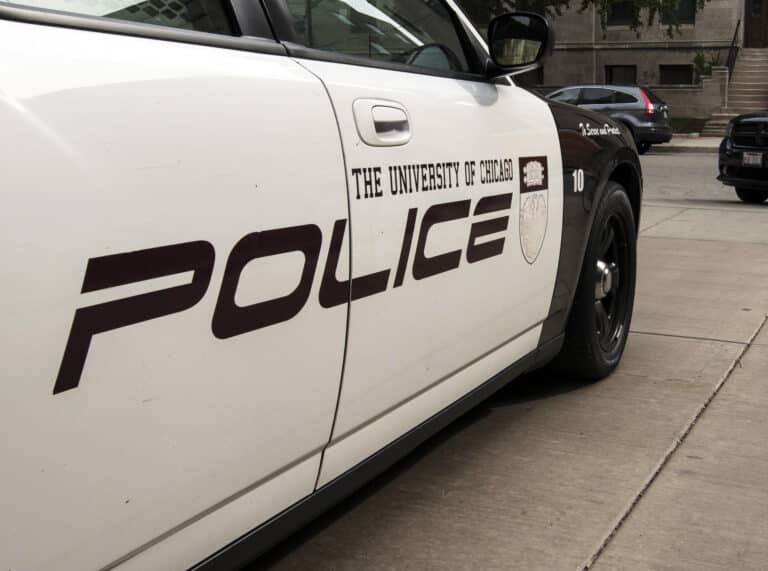
Closing the Loop on UChicago’s Campus Crime
- University of Chicago
March 24, 2026