
No Rainbow-Spangled Banners at UChicago
UChicago’s flag policy sparks debate over neutrality and inclusion.
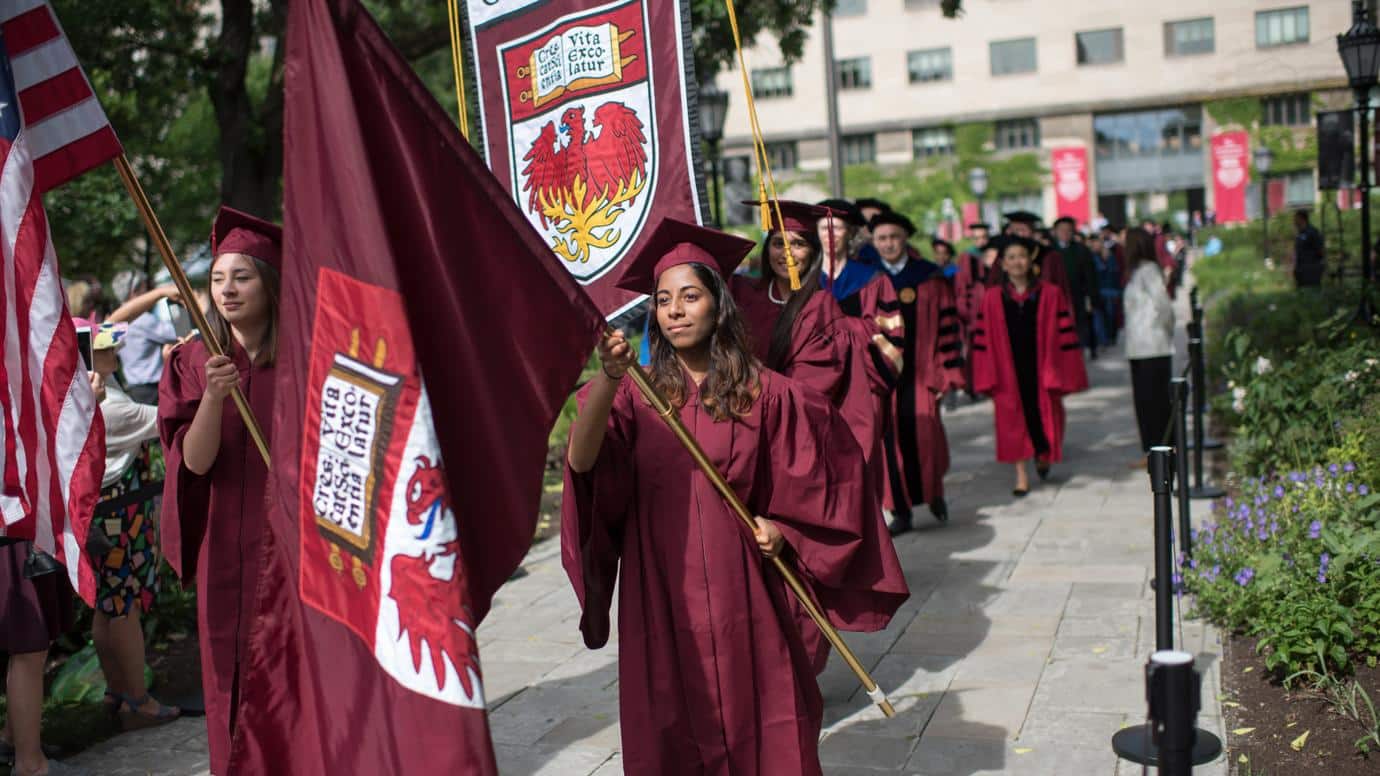
Flags are easy to ignore. Most people pass them every day on the way to class or work without giving them much thought. But throughout history, flags have carried a meaning far beyond decoration.
When the American colonies broke away from Britain, they did not continue flying the British flag. The Stars and Stripes became a visible symbol of a new nation and a new political community. Likewise, when Southern states seceded from the Union in 1860 and 1861, they replaced the American flag with Confederate banners to signal that they no longer considered themselves part of the United States. In both cases, changing the flag was a public statement about identity and allegiance. Flags matter because they represent the communities that choose to fly them. For that reason, institutions should be careful about which flags they display on official flagpoles.
This understanding of what flags represent is what makes the recent controversy at the University of Chicago Laboratory Schools worth discussing. As part of the University’s broader commitment to institutional neutrality, the Lab School adopted a policy limiting which flags may be flown on official school flagpoles. Under that policy, the Pride flag, which had previously been raised during Pride Month, would no longer be displayed as an official school symbol. The decision drew criticism from some students and community members, and students later responded by raising a Pride flag themselves. The administration’s decision was correct because official symbols should represent the institution as a whole. A school flagpole exists to communicate the identity of the school itself. Once it becomes a platform for particular causes or identity groups, it no longer serves that unifying purpose.
Continue reading original articleRelated Articles
-

- Free Speech
Tensions High in Lead-up to Charlie Kirk Anniversary Memorial
- Brigham Young University
September 11, 2026 -

- Free Speech
The Prayer I Prayed the Night Charlie Kirk Died
- Brigham Young University
September 10, 2026 -

- Activism
This Female Wrestler Says a Male Opponent Sexually Assaulted Her. Now She’s Fighting for Fairness.
September 10, 2026