The Cornell Seven Is Fueling a Campus Media Frenzy
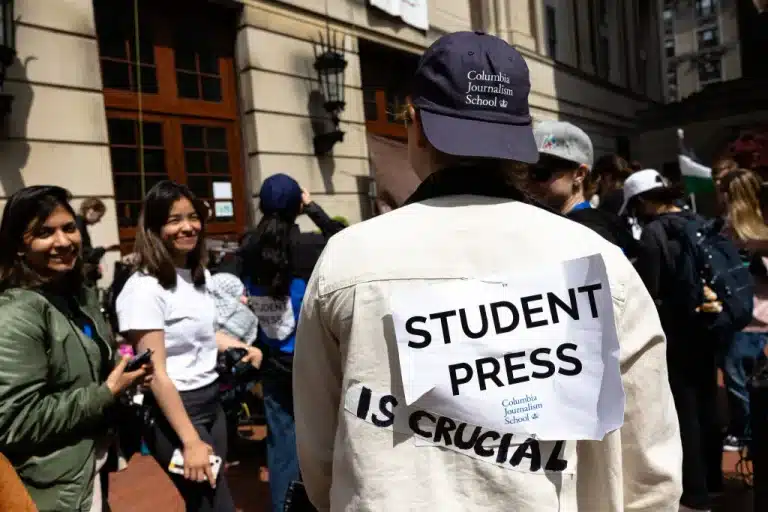
I saw students at my own university — Columbia — relentlessly post on Instagram, highlighting stories from various other “rape” victims.
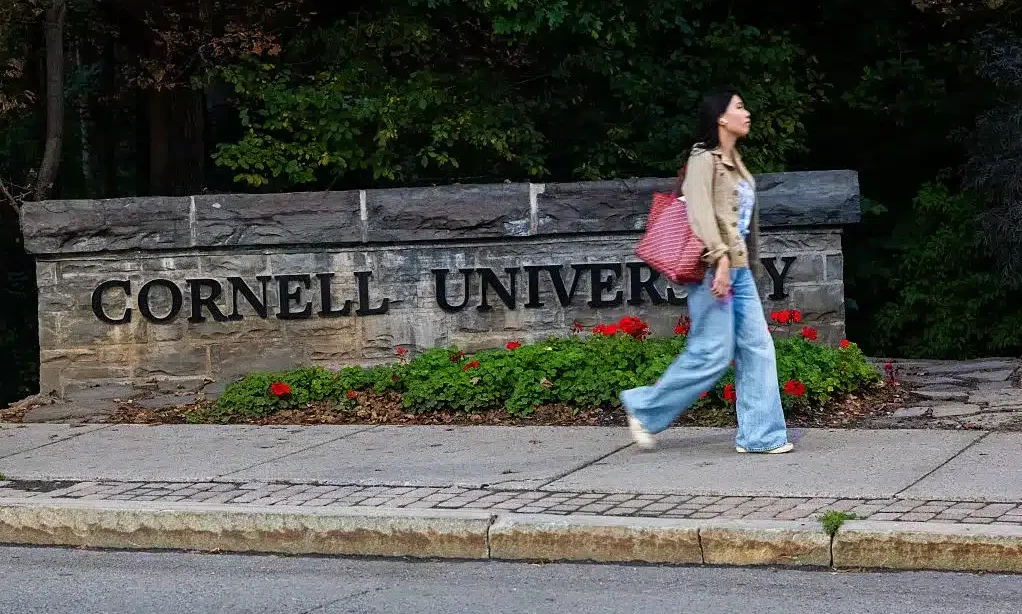
In recent days, news of the “Cornell Seven” and the alleged “Cornell gang rape” has prompted a flurry of condemnation online, along with criticism of the supposedly “complicit” men and institutions on college campuses and across the internet.
A recent essay in New York by Harvard undergraduate Zoe Yu, declares that “the post–Me Too generation gets its Me Too moment”. Three Cornell graduates and trauma psychologists write in HuffPost that they are “shocked, but not surprised by what’s happening at [their] alma mater”. And more than 1,000 Cornell alumni, in a co-signed letter to the editor in The Cornell Daily Sun, the campus’s principal student paper, speak of “decades of Jane Does” and demand that the university “turn inward to seek out the roots of sexual violence within its halls”. Anyone spending time on Instagram will also see the now-ubiquitous rallying cry, “I am Jane Doe.”
However, the facts of the case, which have been reported extensively in UnHerd, reveal a far more complicated story than what social media posting, many politicians, and the discourse in general would have one believe. An unnamed “Jane Doe” in her suit last month claims she was gang-raped by seven men on the evening of 19 October and the morning of 20 October, 2024 at a campus fraternity house when she was 20. She was voluntarily drinking alcohol, but is still suing her sorority (for allowing her to drink), a bar in downtown Ithaca (also for allowing her to drink), the university (for failing to adequately deal with the “rape”), and the fraternity and the men (for the ketamine-fueled, hours-long orgy in question).
Continue reading original article