
When Did Disagreement Become A Reason To Celebrate Death?
There is nothing wrong with admitting that Charlie Kirk was controversial.
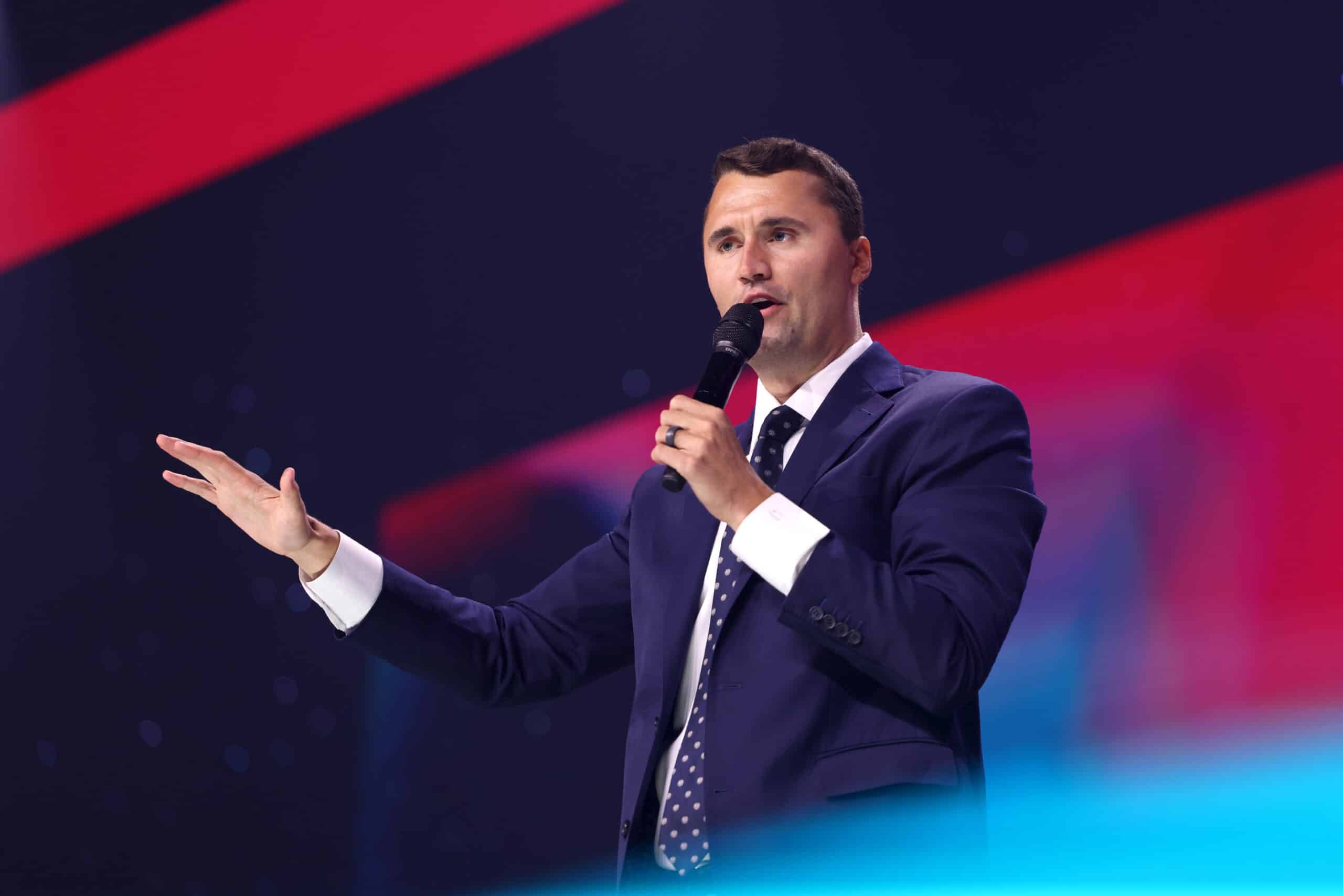
There is nothing wrong with admitting that Charlie Kirk was controversial. I disagreed with some of his beliefs, just as I disagree with plenty of other political figures. People should be able to criticize his arguments, rhetoric, and politics as strongly as they want. The reaction to his death, however, involved more than mere criticism.
People celebrated his assassination, joked about the shooting, and a year later, celebrated “Kirkaversary.” There were Charlie Kirk lookalike contests, Halloween costumes of a wounded Kirk, prom transitions that used the audio of his shooting, and people who laughed and danced to the AI-created “We Are Charlie Kirk” audio. On Fizz, someone posted the following: “putting a hickey on her neck where they shot him for [K]irkaversary,” and it received nearly a thousand net upvotes.*
Taken together, these examples show how quickly political violence can become political entertainment. A man who was killed while expressing his political beliefs became a costume, sound effect, and dance trend. Once someone becomes a political symbol, it becomes remarkably easy to dismiss their personhood. Kirk was reduced to “a Republican,” “a provocateur,” “a Trump supporter,” to some remote figure on “the other side.” His politics became so closely associated with his identity that, for some people, his death made those politics the only matter worth remembering. This casual dehumanization should concern us: it teaches us to see our political opponents as something less than human and inures us to cruelty.
Continue reading original articleRelated Articles
-
- Free Speech
UChicago Higher-Ups Apologize For Cancellation Attempt On Tim Pool Event
- University of Chicago
October 1, 2026 -
-

- Opinion
- |
- Politics
What New York’s DSA Candidates Get Wrong About Their Voters
- Columbia University
September 29, 2026