
Bolívar, Márquez, and the Machine
This piece is a shortened adaptation of the author’s final project for History 264: Latin American Wars of Independence, taught by Professor John French.
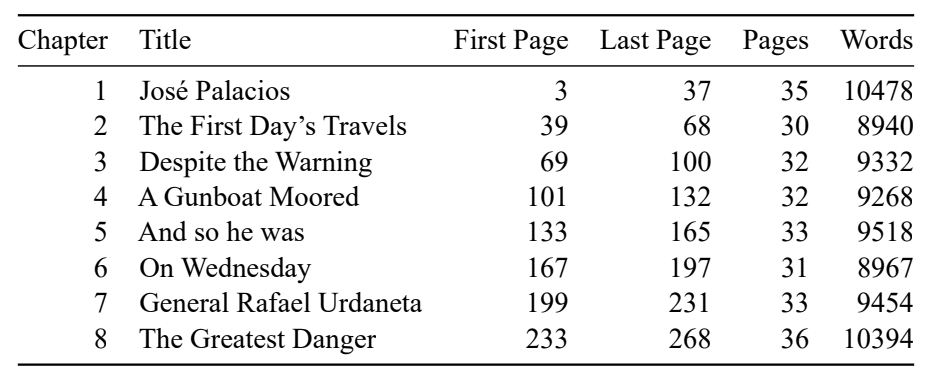
This piece is a shortened adaptation of “A Fictional Bolívar, Quantified: Distantly Reading Gabriel García Márquez’s The General in His Labyrinth,” the author’s final project for History 264: Latin American Wars of Independence, taught by Professor John French. The original report is available upon request.
Advancements in digital data and the strength of computing power have made machine learning a juggernaut in modern life. From ChatGPT to music recommendations to pricing on Amazon, it often feels like life is increasingly measured and evaluated in ways that once could not be predicted. Fueled by machine learning, Natural Language Processing (NLP) has proven itself one of the most pervasive technologies in our increasingly digital lives. As a tool, it has already long fueled search engines and automated grammar checking on the internet, and with the advent of Large-Language Models (LLMs) more recently it only increases in its relevance. Via NLP, computational methods inevitably found their way into the world of literature. While literary academia has long relied on close reading of texts, NLP frameworks allow for what scholar Franco Moretti calls “distant reading,” computing techniques used to give a quantitative understanding of literature that traditional close reading cannot provide.1
Digital humanities methodologies are already disruptive in the field of literature, and they take a new nature when used in the context of historical fiction. Historical fiction already exists in an odd paradigm. In novel and cinema, historical fiction can capture and shape the popular zeitgeist of history among the general population while not necessarily bearing similarity to history as understood by its scholars. After all, this is a genre often associated with “hacks and clichés” and the ripping of bodices.2 On the other hand, historical fiction can offer intelligent perspectives on history only possible through fictitious presentation. The gaps in historical knowledge can be filled by narrative that can challenge understandings of history and innovate scholarship from the outside.
Continue reading original articleRelated Articles
-
-

- Economics
- |
- Opinion
- |
- Politics
The Stay-at-Home Parent Debate Is GDP First vs. America First
- The Federalist
September 9, 2026 -

- Literature
- |
- Opinion
Mahmoud Khalil’s Memoir Can’t Decide What It Wants to Be
- Columbia University
September 2, 2026